
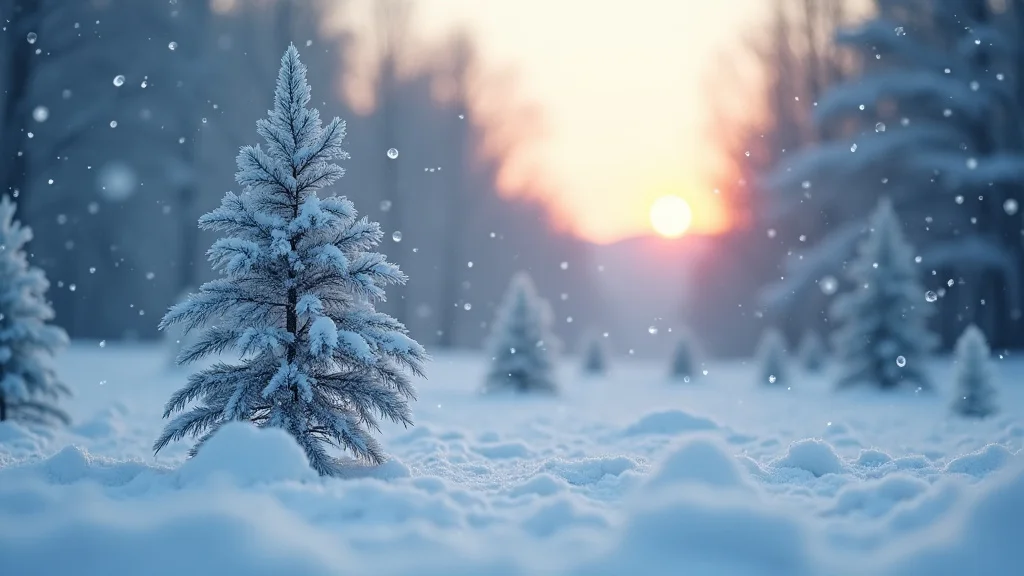
Remember that biting cold day last year? The one where you bundled up in your warmest coat, scarf, and gloves, and stepped outside to a winter scene that took your breath away? The crisp air, the glistening snow, the quiet stillness – it was magical. This blog post aims to capture that same feeling, helping you appreciate the beauty and wonder of a winter scene. You’ll learn how artists and photographers capture these moments, how nature paints these landscapes, and even how to find the perfect winter setting for your own adventures. Prepare to explore the serene elegance that winter offers, enhancing your appreciation for its wonders and encouraging you to seek your own winter moments.
Key Takeaways
- Discover how to recognize the elements that form a captivating winter scene.
- Learn about the techniques used by artists to portray winter landscapes.
- Explore the types of winter scenery and the environments that they evoke.
- Understand the role of light and shadow in creating the perfect winter portrait.
- Find inspiration for your own winter-themed photography or art projects.
- Gain a deeper appreciation for the beauty and tranquility of winter.
The Essence of a Winter Scene
A winter scene, at its core, is a visual narrative. It’s more than just snow and ice; it’s a carefully orchestrated blend of elements that evoke specific feelings and tell a story. Think about what truly captivates you when you picture a winter landscape. It is likely a combination of textures, colors, and the subtle interplay of light and shadow. The crisp, clean air, the muted sounds, and the overall stillness create a sense of peace and wonder. These elements, when combined correctly, create that unique and special atmosphere that we find so charming. A successful winter scene transports viewers, allowing them to feel the cold air and experience the quiet beauty of the season.
Key Elements in a Winter Scene
- Snow: The dominant element, creating the overall tone of white and reflecting light, transforming the landscape. Consider the different types of snow – fresh powder, icy crust, or snow-covered trees – as each offers a unique feel.
- Ice: Adds a reflective quality, enhancing the play of light and shadow, especially on bodies of water or frozen surfaces. It adds additional texture.
- Trees: Provide structure, contrast, and depth to the landscape. They can be bare, snow-covered, or adorned with icicles, adding diversity and interest.
- Light and Shadow: Crucial for defining shapes, creating depth, and setting the mood. The direction of sunlight can drastically alter the appearance of a winter scene.
- Sky: The sky’s color and texture set the overall tone. Cloudy days offer soft light, while a clear blue sky adds a vibrant contrast.
Snow is the most important component of a winter scene, and it dictates the overall tone and feel of the scene. Fresh powder will create a feeling of pristine quiet, while ice-covered surfaces will give a different kind of feel. Different types of snow create different visual effects, influencing the shadows and reflections. The way snow interacts with other elements, like trees and buildings, shapes how a scene looks and feels. Without snow, it just wouldn’t be a winter scene, and the way it’s used dictates what the final product will look like. The use of snow is a key component.
Ice adds a certain element to a winter scene. It has a beautiful way of reflecting light, which can create striking visual effects that further enhance the scene. Consider the way the ice creates a different surface than that of snow. The difference in texture adds another layer of visual interest to the scene, and it allows for a diverse range of interpretations. Ice can be found in a variety of places, from lakes and ponds to sheets of ice that build up on the sidewalks. Ice serves an important role in defining the landscape.
Trees are vital, as they provide structure and contrast to the scene. The absence or presence of leaves on trees can change the feel of the scene, giving it a more open or closed-in feel. Trees can also provide shelter for wildlife, or have ice and snow covering the branches, which changes the scene further. Consider the types of trees: coniferous forests can create a different kind of feel than deciduous ones. The structure and patterns of trees against the snow-covered ground adds depth and texture.
Light and shadow is the key to creating a mood, and they help define the shapes and forms within the scene. The way the light hits the snow can make the scene feel warm or cold, bright or subdued. Shadows enhance depth and add contrast, and the direction of the light helps to give the scene a certain ambiance. Observe how shadows change throughout the day, as they play a huge role in the final feel of the image. The light and shadow is often what makes a winter scene memorable.
The sky is like the background in a picture, and the color and texture can greatly affect the mood of the scene. The presence or absence of clouds, the color of the sky, and even the time of day all play a role in creating the overall feel. A clear blue sky can create a striking contrast with the white snow, while a cloudy sky can produce a softer, more diffused light. The details of the sky, whether it’s filled with clouds, clear blue, or a beautiful sunset, play a vital part.
Capturing the Winter Scene in Art and Photography
Artists and photographers have always been drawn to winter scenes, as they offer unique challenges and opportunities to express creativity. From the subtle color palette to the interplay of light and shadow, the winter landscape presents a range of opportunities to those with a vision. Understanding the techniques used by these creators can offer a deeper appreciation for their work, and even inspire you to try your hand at capturing winter’s beauty.
Techniques in Photography
- Exposure: Crucial for balancing the bright snow and avoiding overexposure. Adjusting the exposure can control the overall brightness.
- Composition: Employing the rule of thirds, leading lines, and other techniques to create visually appealing images. Composition guides the viewer’s eye.
- Focus: Getting sharp focus on the key elements, such as snowflakes, trees, or distant mountains. Focus ensures clarity.
- Equipment: Using appropriate lenses, tripods, and other equipment to capture the scene effectively. The correct equipment allows creativity.
The way the camera handles exposure is absolutely vital in capturing a winter scene. Snow is incredibly reflective, which can fool the camera into underexposing the image. Learning how to properly adjust the exposure settings is essential for keeping the snow looking white and bright, while also preserving detail in the shadows. Pay attention to how the camera’s meter reads the scene, and use the exposure compensation feature to adjust the brightness and darkness as needed. Accurate exposure ensures that the scene looks natural and true to life.
The layout and composition are fundamental to any photograph, and especially important in a winter scene. Using the rule of thirds, leading lines, and other techniques can make your photos more interesting and dynamic. Take the time to compose the image by arranging the elements in a way that creates balance and visual interest. Carefully consider the lines, shapes, and textures within the scene and find ways to arrange them in a way that leads the viewer’s eye, and draws them into the scene. Composition is a key part of good photography.
Achieving sharp focus is essential, as clarity is one of the most important components for creating a professional-looking photograph. The use of depth of field and different focus points will help ensure that the important elements within the scene are sharp and clear, while creating a soft background. Whether capturing individual snowflakes or an expansive landscape, the ability to achieve precise focus will help create a sense of detail and clarity. Precise focus provides clarity.
Using the right equipment is important for the creation of beautiful images. Using a wide-angle lens can give you a different field of view than using a telephoto lens, and choosing the right lens for the subject and desired effect is crucial. Using a tripod can stabilize the camera in low-light conditions, which will improve the clarity and sharpness of the final image. Make sure that you have everything you need, and the right gear will give you greater control over your images.
Techniques in Painting
- Color Palette: Using a limited range of colors to represent the cold, often focusing on whites, blues, and grays, or sometimes vibrant colors to represent the sun. The palette sets the tone.
- Brushstrokes: Varying brushstrokes to capture the texture of snow, ice, and other elements. Brushstrokes build texture.
- Perspective: Using linear or atmospheric perspective to create a sense of depth and distance in the painting. Perspective creates depth.
- Light and Shadow: Understanding how light interacts with surfaces to create a sense of three-dimensionality and mood. Light and shadow create mood.
In painting, the color choices set the mood and atmosphere of the piece, and this is especially important when depicting winter landscapes. Artists often use a limited range of colors, which is a key part of creating a cohesive and evocative winter scene. The use of whites, blues, and grays can emphasize the coolness of the season, while incorporating subtle tones can add depth and interest. The color palette of the painting is essential to communicate the feeling of the environment.
The technique that an artist uses to apply paint can enhance the textural qualities of the scene. Short, choppy brushstrokes can represent the soft texture of fresh snow, while longer, smoother strokes can capture the glassy surfaces of ice. Paying attention to the brushstrokes lets artists suggest the details, creating a sense of depth and dimension in the landscape. Different brushes are used to create specific textural qualities.
The art of creating depth on a flat surface allows the viewer to feel like they can walk through the scene. Linear perspective uses converging lines to make objects appear smaller as they recede into the distance, which can make the scene seem more expansive. Atmospheric perspective uses changes in color and detail to represent the effect of the atmosphere on distant objects. When the artist correctly uses perspective, the landscape looks natural and real.
Light and shadow is another key component of painting a successful winter scene. Understanding how the sun interacts with surfaces to create shadows and highlights is essential for creating a three-dimensional effect and giving depth to the scene. The way an artist depicts light and shadow has a huge impact on the feeling of the piece. Artists use the interplay of light and shadow to create a sense of depth, and set the mood of the work.
Exploring Different Types of Winter Scenes
Winter scenes come in many forms, each with its unique beauty and charm. Knowing the different types of winter scenes can help you appreciate the diversity of the season and find inspiration for your own creative endeavors. From serene snow-covered forests to bustling winter cities, winter is a season with many faces.
Types of Winter Environments
- Forests: Dense or sparse forests, where snow-laden trees create a serene and quiet atmosphere. They provide a sense of peace.
- Mountains: Towering peaks covered in snow, creating dramatic and breathtaking landscapes. Mountains evoke awe.
- Cities: Urban environments, where snow transforms familiar streets and buildings. Cities offer a unique look.
- Coastal Areas: The meeting of sea, snow, and ice, creating dramatic and dynamic views. The sea changes everything.
Snow-covered forests have a special feeling that offers a retreat from the world. Whether it’s a dense coniferous forest or a more open woodland, the presence of snow transforms the environment into a place of peace. The way snow clings to the branches and covers the forest floor creates a sense of serenity and seclusion. The play of light and shadow through the trees can create a beautiful contrast and create a wonderful scene. A winter scene in a forest can be a magical experience.
Mountains, covered in snow, create a dramatic, unforgettable scene. The snow-covered peaks, often framed by clear blue skies, offer a panoramic view of the landscape. They can show both power and beauty, while the way the snow clings to the rocks, and forms drifts and patterns, adds to the visual appeal. The scale of the mountains and the wintery conditions makes for an amazing scene. For many, mountains are the height of beauty.
Even the familiar sights of the city change when snow falls, creating a magical feeling. Buildings, streets, and city parks are covered with snow, giving an unfamiliar feel. The way snow interacts with the architecture of the city, and the way the lights reflect in the snow-covered streets creates many interesting photographic opportunities. You may get a glimpse of people enjoying the snow, and the way the city works in winter. The unique contrast between urban landscapes and winter scenes is something special.
Coastal areas present a different kind of winter scene. The contrast between the cold ocean and the snow-covered shoreline creates a unique and dynamic environment. The waves crash against the icy rocks, creating a dramatic, ever-changing scene. Snow can accumulate on the beaches, and ice can form along the shore, adding different elements to the landscape. These environments have different kinds of wildlife and plant life, making them especially interesting. These scenes are full of texture and contrast, making them great for photography.
The Role of Light and Shadow in Winter Scenes
The way light and shadow play across a winter scene can make or break an image. The interaction of sunlight and snow, or moonlight and ice, creates the mood and feel. Understanding how to observe and capture these effects is important to creating a compelling scene.
The Impact of Light
- Direction: The angle of light dictates the shadows and highlights, dramatically altering the appearance of the scene. Direction is a key.
- Intensity: The strength of the light determines the contrast and brightness of the scene. Intensity defines the contrast.
- Color: The color of the light, whether it’s the warm glow of sunrise or the cool blue of a moonlit night, creates a mood. Color sets the mood.
The angle of the light has a great impact on how the winter scene appears, as the shadows and highlights change depending on the direction of the sunlight. The direction of the light can impact the way the snow appears, and a low sun can create long shadows and enhance textures. The angle of the light can change the overall mood of the scene, and it is a factor that should be considered. Understanding the light’s direction gives the ability to anticipate and create a dramatic and interesting image.
The intensity of the light is critical. On a bright, sunny day, the snow will be intensely bright, while on a cloudy day, the light will be diffused, creating softer shadows and a more subtle contrast. The intensity influences the way colors and details appear in the snow. Learning to manage the intensity of light allows you to control the mood and impact of the images. The interplay of light and shadow is really important.
The color of the light also plays a huge role in the atmosphere. Warm light, which is typical of sunrise or sunset, can create a sense of warmth and can create beautiful colors in the sky and on the snow. The cool blue tones found on a moonlit night, create a sense of serenity. Learning to recognize and utilize these colors allows artists and photographers to change the scene. Light and color can be used to set a mood.
The Impact of Shadows
- Shape: Shadows define shapes and add depth, highlighting the forms in the landscape. Shadows give form.
- Contrast: Shadows create contrast, adding visual interest and drawing attention to the key elements. Contrast is powerful.
- Mood: Shadows affect the mood, adding a sense of mystery, serenity, or drama. Shadows set the mood.
Shadows define the shapes and forms of the landscape. They can bring out the textures of the snow and ice, creating depth and dimension in the scene. Long shadows cast by trees or buildings can provide leading lines, drawing the viewer’s eye into the image. Shadows add a sense of realism. Carefully observing and using shadows adds to the beauty of the scene.
Shadows create visual interest. The contrast between light and shadow is what helps the important elements of the scene stand out, and it’s essential for creating a captivating image. Shadows can emphasize textures, create depth, and add a sense of drama. In scenes with plenty of snow, a well-placed shadow can create contrast, helping to bring out the details of the scene. Shadows can be used to emphasize or obscure parts of the scene.
Shadows play a critical role in setting the tone. Long, dark shadows can create a mysterious atmosphere, while soft, diffused shadows can produce a calm and peaceful mood. The intensity and direction of shadows can determine the overall feel of the scene. Shadows can be used to evoke a wide range of emotions, making the image more engaging and memorable. Using shadows is a powerful skill.
Common Myths Debunked
Myth 1: Winter scenes are always cold and depressing.
Reality: While winter can certainly be cold, a winter scene doesn’t have to be depressing. The beauty of a snow-covered landscape, the play of light and shadow, and the stillness of the season can evoke feelings of peace, tranquility, and wonder. Many find winter scenes to be incredibly serene and inspiring.
Myth 2: Capturing a winter scene requires expensive equipment.
Reality: While high-end photography gear can enhance results, you don’t need expensive equipment to capture a beautiful winter scene. A smartphone, a basic camera, or even drawing with simple tools can be used to create stunning art. The key is to develop your eye, learn basic techniques, and practice.
Myth 3: Winter scenes are boring because they’re all white.
Reality: A winter scene is anything but boring. The interplay of light and shadow creates a dynamic range of colors and textures. Furthermore, winter scenes often feature the subtle blues of the sky, the warm tones of sunsets and sunrises, and the vibrant greens of evergreen trees, making them rich in visual detail and color.
Myth 4: Winter scenes are only for professional photographers.
Reality: Anyone can create a winter scene. Whether you are an experienced photographer or just starting out, the best way to develop an eye is to go out, and create. It’s a matter of exploring the environment, understanding composition and light, and having a bit of patience. Learning to observe your surroundings will help you create a scene.
Myth 5: Winter scenes are always best captured during the day.
Reality: Many of the most stunning winter scenes can be captured at dawn, dusk, or even during the night. The low angle of the sun at sunrise or sunset can create beautiful warm colors and long shadows, while moonlight can transform the scene into a magical experience. Don’t limit yourself to daytime photography!
Frequently Asked Questions
Question: What’s the best time of day to photograph a winter scene?
Answer: The “golden hours” – the hour after sunrise and the hour before sunset – are ideal. The low sun provides soft, warm light and creates long shadows, enhancing the textures and details of the scene.
Question: What camera settings should I use for taking pictures of snow?
Answer: To avoid underexposing snow, use a slightly higher exposure compensation (+1 or +2) or meter on a mid-tone. Use a fast shutter speed to freeze the motion of falling snow or a slower shutter speed for a blurring effect.
Question: How do I protect my camera in cold weather?
Answer: Keep your camera warm by storing it close to your body. When bringing it back inside, let it warm up gradually to avoid condensation. Use a camera bag to provide an extra layer of insulation.
Question: What’s the most important tip for creating a beautiful winter painting?
Answer: Focus on capturing the light and shadows. The way light interacts with the snow, ice, and other elements will define the mood and depth of your artwork. Consider the color of the light, too.
Question: How can I find the perfect winter scene to experience?
Answer: Look for locations with varied landscapes, such as forests, mountains, or bodies of water. Check weather forecasts to plan for snowfall and clear skies, and remember to dress warmly and safely for the cold conditions.
Final Thoughts
Exploring a winter scene is a journey into a world of remarkable beauty and serenity. It’s an invitation to pause, observe, and connect with the natural world. From the delicate details of a snowflake to the grand scale of a snow-covered mountain, winter offers countless opportunities for appreciation. Whether you are an artist, photographer, or simply someone who loves to wander in nature, there’s always something new to experience in the winter landscape. Embrace the cold, welcome the quiet, and allow yourself to be captivated by the magic of winter. Go out and find your own winter moments. Let the beauty of a winter scene inspire you to explore and create.