
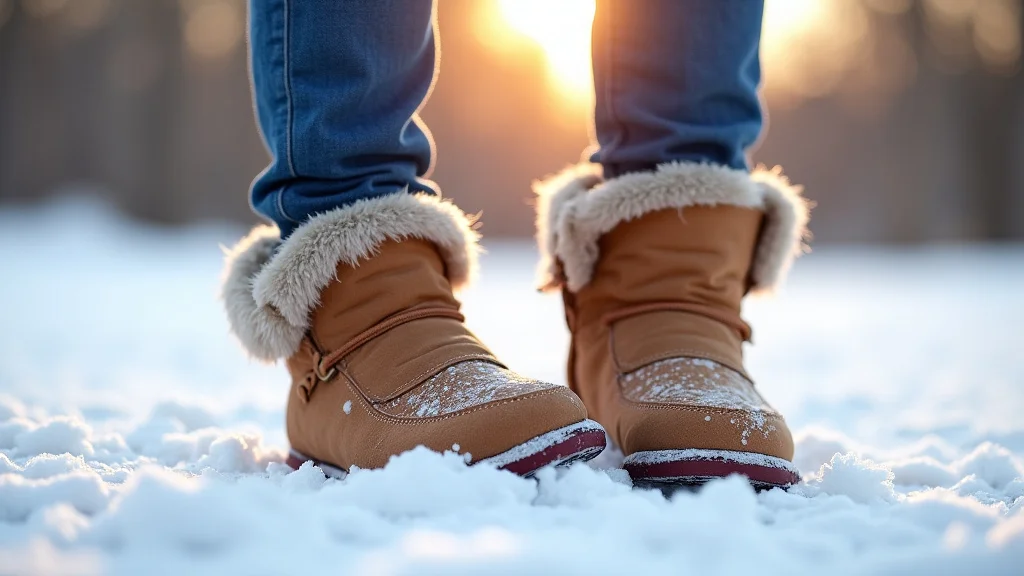
Remember that frantic morning scramble? You’re trying to get everyone ready, and your little one is refusing to put on their winter shoes for kids. Their tiny hands and feet are already cold, and the thought of wet socks and frozen toes is a definite no-go. Finding the right pair of boots that keep kids comfortable and protected from the elements is a real win. This guide will walk you through everything you need to know about choosing the perfect winter shoes for kids, ensuring those tiny feet stay toasty all season long. You’ll be prepared to face the cold weather with confidence.
Key Takeaways
- Learn about the essential features to look for in winter shoes for kids.
- Discover the best materials for warmth, dryness, and durability.
- Understand how to size and fit winter shoes for kids properly.
- Find tips on maintaining and caring for winter footwear.
- Explore different types of winter boots, from snow boots to insulated options.
- Get insights into choosing shoes for various winter activities.
Choosing the Right Winter Shoes for Kids
The first step in protecting your child’s feet from winter’s chill is selecting the right pair of winter shoes for kids. There’s a wide range available, but the key features will determine whether they stay warm and dry throughout the season. Remember that style is also important, so finding a pair that your child loves is a big win. This section will guide you through the process, helping you find the ideal footwear to combat the cold.
Key Features to Consider
When selecting winter shoes for kids, several important features can ensure comfort and protection. Considering these factors upfront will save you time and money. Look for boots with specific elements to help your child stay warm and dry, allowing them to enjoy all winter activities. These features play a huge role in the functionality of the shoes.
- Waterproof Construction: Look for shoes with a waterproof membrane, like Gore-Tex, to keep moisture out. Water-resistant materials are better than nothing, but not ideal in all conditions. The best footwear has sealed seams and water-repellent coatings to prevent water from seeping in. This is especially important for snow and slush.
- Insulation: Insulation is what keeps the warmth in. Look for boots with a high insulation rating, measured in grams (e.g., 200g, 400g). Higher numbers mean more warmth. The right amount of insulation depends on your local climate and the level of activity. Too much can make the feet sweat, so choose wisely.
- Traction: A good grip is essential for preventing slips and falls on ice and snow. Look for soles made of rubber with deep treads. Consider the type of tread pattern; some are better for specific conditions. A well-designed sole provides stability, giving your child the confidence to play safely.
- Durability: Winter boots should be built to withstand tough conditions. Look for durable materials like leather or synthetic materials that resist wear and tear. Reinforced toes and heels add extra protection. The boots should be able to last through an entire winter season of playing and exploring.
A good waterproof membrane is a key feature in winter boots. This layer acts as a barrier, preventing water from penetrating the shoe while still allowing the child’s feet to breathe. This prevents the feet from getting wet and cold. Look for shoes marked as “waterproof” or “water-resistant” and check for sealed seams, which also stop water from entering. Water resistance is a good start, but actual waterproofing is much better, particularly for playing in the snow. Proper waterproofing protects the feet from the inside.
Insulation is crucial for keeping little feet warm. It works by trapping air and creating a barrier against the cold. The amount of insulation is usually measured in grams. A higher gram number means a warmer boot. The amount of insulation depends on how cold it gets in your area and the activities your child will be doing. It is best to choose a level that provides warmth without making the feet sweat, which can lead to cold feet. Many boots will list the amount of insulation on the label.
Good traction is critical for safe winter play. Look for rubber soles with deep, aggressive treads. These provide a better grip on ice and snow. The pattern of the treads matters, too. A sole designed for hiking might be great for uneven terrain but not as good on packed snow. Look at the design of the tread and its ability to channel away snow and slush. Consider the surface on which your child will be walking and choose soles accordingly. The grip of the soles can make a significant difference in safety.
Kids’ winter boots need to hold up against rough play, so durability is important. Leather and tough synthetic materials are great choices. Reinforced toes and heels offer extra protection against wear and tear. Make sure the materials are waterproof and can handle snow and slush. Durable boots can last through the winter and allow your child to play without worry. Look for well-constructed seams and a sturdy sole to increase the lifespan of the shoes.
Materials Matter
The materials that make up winter shoes for kids play a significant role in their warmth, waterproofness, and overall durability. Different materials offer various benefits, so selecting the correct ones for your child’s needs is essential. From the outer shell to the inner lining, the materials used affect the shoe’s performance. Knowing the advantages and disadvantages of each can help you make an informed decision when you shop.
- Waterproof Outer Shells: The outer shell should be waterproof. Look for materials like nylon or leather with a waterproof membrane (like Gore-Tex). The outer layer prevents water from seeping in, keeping feet dry. The shell also protects against wind and the elements.
- Insulation Types: Synthetic insulation (like Thinsulate) is a popular choice for its warmth-to-weight ratio and ability to retain heat even when wet. Down insulation is very warm but can lose its insulation properties when wet. The right choice depends on the climate and activity.
- Sole Materials: Rubber soles are best for traction and durability. They provide good grip on snow and ice. Consider the type of rubber and the tread pattern for the best performance in winter conditions.
The outer shell is your first line of defense against the elements, so make sure it’s waterproof. Materials like nylon and leather are commonly used, often combined with a waterproof membrane such as Gore-Tex. These membranes allow moisture to escape from inside the boot while preventing water from entering. This helps prevent your child’s feet from getting wet. A durable shell also protects against wind and potential damage from rocks, branches, or rough play.
Choosing the correct insulation is key to keeping your child’s feet warm. Synthetic insulation, such as Thinsulate, is a good option because it’s warm, lightweight, and still insulates even when it’s wet. Down insulation is also a good choice for keeping feet warm, but it may lose its insulating properties if it gets wet. Consider where you live and the activities your children will be doing to pick the right insulation.
The sole of the boot provides traction and durability, so rubber is generally the best choice. Rubber soles offer excellent grip on snow and ice. Look for soles with deep treads to increase grip and prevent slips. The type of rubber and the tread design also have an impact, so consider what kinds of activities and environments your child will be in when making your selection. A good sole makes all the difference when it comes to safe winter play.
Sizing and Fit: Getting It Right
Proper sizing and fit are essential to ensure the comfort and effectiveness of winter shoes for kids. Ill-fitting boots can lead to cold toes, discomfort, and even injuries. This section provides tips and tricks for measuring your child’s feet accurately, understanding sizing charts, and fitting the boots correctly. Taking the time to do this right can make all the difference in a child’s winter experience.
- Measuring Your Child’s Feet: Measure your child’s feet at the end of the day, as feet tend to swell slightly. Use a ruler or a foot-measuring device. Have them stand and distribute their weight evenly. Measure from the heel to the longest toe.
- Using a Sizing Chart: Refer to the brand’s sizing chart. Consider adding extra space (about half an inch) for socks and growing room.
- Fitting the Boots: Check for a thumb’s width of space at the toe. Ensure the heel fits snugly. Have your child walk around in the boots to check for any pinching or discomfort.
Measuring your child’s feet correctly is the first step to finding a good fit. Do this at the end of the day, when feet are more likely to be at their largest. Have your child stand, placing their weight equally on both feet. Then, measure the length of each foot from heel to toe. A foot-measuring device is handy, or you can use a ruler or a piece of paper. Measuring their feet this way will ensure the most accurate sizing.
Once you have measured your child’s feet, you can reference the sizing chart provided by the brand. Keep in mind that sizing can vary among brands, so always use the brand’s chart. It is also good to add a bit of extra space—about half an inch—to account for thick socks and room for growth. This is important to ensure a comfortable and proper fit.
After you have selected a size, it’s time to test the fit. Inside the boot, ensure there is about a thumb’s width of space between the longest toe and the end of the boot. The heel should fit snugly, without slipping. Have your child walk around in the boots to ensure there is no pinching or discomfort. It is also a good idea to have your child wear the socks they will wear in the boots during the fitting.
Types of Winter Shoes for Kids
There are several types of winter shoes for kids, each designed for different weather conditions and activities. From snow boots to everyday insulated options, understanding the differences between these types will help you choose the best footwear for your child’s needs. This section explores the variations and provides insights to help you make the right choice.
Snow Boots
Snow boots are specifically designed to keep feet warm and dry in snowy conditions. They usually have a high shaft to prevent snow from entering. Snow boots are a must-have for winter fun. Their features provide maximum protection against the elements, letting children enjoy snow play without worrying about wet and cold feet. These boots make winter weather fun.
- High Shaft: The high shaft helps prevent snow from getting into the boots. This feature protects the lower leg and ankles from the elements. A high shaft is an important aspect of snow boot design.
- Insulation: Snow boots often have thick insulation to keep feet warm in cold temperatures. This insulation is the key to preventing cold feet. Look for insulation ratings based on the climate.
- Waterproof Materials: Waterproof materials, along with sealed seams, keep moisture out. Look for materials that resist both water and snow. Waterproofing is essential for snow boots, protecting feet from the elements.
Snow boots often have a high shaft, which prevents snow from getting inside the boot. This provides extra protection for the lower leg and ankle. The high shaft helps keep the feet and legs dry and warm, letting your child play in the snow without worry. It’s a critical feature in the fight against snow and wetness.
Proper insulation is crucial for warmth in snow boots, and thick insulation is frequently used. It helps keep feet warm even in very cold temperatures. Consider the climate and how cold it usually gets when choosing the level of insulation. Snow boots can keep your child’s feet cozy and dry for outdoor play when the insulation is suitable.
The materials in snow boots must be waterproof to keep feet dry. This includes the outer shell and the construction. Sealed seams are a must to prevent water from entering the boot. Look for boots that are designed to resist both water and snow. This waterproof protection ensures that the boots stay dry and comfortable while playing in the snow.
Insulated Boots
Insulated boots are designed for general winter wear, providing warmth and protection against cold temperatures. They are ideal for everyday use during the winter months. They are very versatile, and their features make them suitable for several activities. Having these boots is a sensible choice for colder conditions.
- Moderate Insulation: Insulated boots offer enough insulation for warmth in typical winter weather. The level of insulation varies, but it is less than what is used in heavy-duty snow boots. This level of insulation makes these shoes perfect for daily use in milder conditions.
- Water Resistance: Many insulated boots are water-resistant to protect against light moisture. While they may not be fully waterproof, they can handle snow and slush. Water resistance is a key aspect of these boots.
- Versatile Design: Insulated boots are often designed for various activities, from walking to playing in the park. They can also be stylish for everyday use. Their versatility makes them a good option for all-around winter wear.
Insulated boots are perfect for providing warmth in general winter weather. They typically offer a moderate amount of insulation, sufficient for everyday wear in most winter conditions. The level of insulation varies, so consider the climate and the expected temperatures. These boots provide a good balance between warmth and flexibility for a variety of uses.
Water resistance is a common feature in insulated boots, protecting against light moisture. While not as waterproof as snow boots, they can handle snow and slush. This is important for keeping feet dry and comfortable during everyday activities. Having water-resistant features makes them very useful for general winter use.
Insulated boots are designed with versatility in mind. They are suitable for various activities, from daily errands to playing outdoors. The design often allows for them to also be suitable for general use, making them a practical choice for all types of winter wear. These boots are a great choice when looking for all-around winter footwear.
Boot Styles and Features
The style and additional features of winter shoes for kids contribute to their overall performance and suitability for various activities. From easy-on designs to adjustable closures, these details can make a difference in terms of convenience, safety, and comfort. Thinking about all these elements can enhance your child’s winter experience.
- Easy-On Designs: Look for boots with features like hook-and-loop closures or pull-on tabs to make them easy for kids to put on and take off independently. Ease of use makes life easier, especially when you’re in a rush.
- Adjustable Closures: Adjustable closures, such as laces or straps, allow for a customizable fit. They can provide a more secure fit and accommodate growing feet. Customizable closures can help with making adjustments and making the boots last longer.
- Ankle Support: Consider boots with good ankle support for added stability, especially for active kids. This can help prevent injuries. Good support is important, particularly for children playing in snow or on uneven surfaces.
Ease of use is an essential consideration, especially for children who are learning to dress themselves. Look for boots with features that simplify putting on and taking off the shoes. Hook-and-loop closures and pull-on tabs are great for independence. These designs make it easier for kids to manage their boots independently. Easy-on designs will make the daily routine smoother.
Boots with adjustable closures are a fantastic choice, as they provide a customizable fit. This ensures a more secure fit, which can be useful for active children. These closures can also help adjust the fit, especially as the child’s feet grow. Adjustable closures add to the boots’ adaptability, allowing them to last longer. They are useful for making adjustments as needed.
Good ankle support is a key feature, and it adds to both comfort and safety. The right boots will offer the necessary support to keep your child comfortable, no matter the activity. This feature is especially beneficial for active children who are playing in the snow or on uneven surfaces. Ankle support helps to reduce the risk of injuries, making it a very important thing to think about when choosing winter shoes.
Caring for Winter Shoes for Kids
Proper care and maintenance of winter shoes for kids can extend their lifespan, ensuring they stay in good condition for the whole winter season. Regular care will help keep the boots functional and looking their best. Following these guidelines helps keep the shoes ready to wear.
- Cleaning: Clean the boots regularly. Remove dirt and debris with a brush or a damp cloth. Check the care instructions on the boots to be sure the cleaning method will not damage the materials. Regular cleaning can prolong the life of the shoes.
- Drying: Always allow the boots to dry completely after use. Remove the insoles and let the boots air dry at room temperature, away from direct heat. Proper drying helps prevent mold and mildew.
- Storage: Store the boots in a cool, dry place when not in use. Stuff them with newspaper to help them retain their shape. Proper storage ensures they are ready for the next winter.
Cleaning the boots regularly will extend their lifespan and keep them looking their best. After each use, it’s a good idea to remove any dirt or debris with a brush or damp cloth. Check the care instructions specific to your boots for the best cleaning methods and to ensure you do not damage the materials. The more you clean your boots, the longer they will last. This makes the cleaning routine a great investment.
Allow the boots to dry thoroughly after each use, which will prevent mold and mildew. Remove the insoles for separate drying and allow the boots to air dry at room temperature, away from direct heat. Heat can damage the materials, so it is best to dry the shoes naturally. When the boots are dry, they are ready for the next adventure.
Proper storage can keep the boots in good condition throughout the off-season. Store the boots in a cool, dry place when not in use. Stuffing them with newspaper helps them retain their shape. This will keep them ready for the next winter season and prepared for wear. This makes them easy to wear the following year.
Common Myths Debunked
There are many misconceptions about winter shoes for kids. Understanding these myths and the reality behind them can help you make informed decisions when choosing footwear. The following information clarifies some of the most common myths, providing accurate information. Learning the facts can help you find the best shoes.
Myth 1: Expensive Boots Are Always the Best
The most expensive boots are not always the best choice. Price does not always guarantee the best features or fit. The most important thing is finding boots that fit well and meet your child’s specific needs in terms of warmth, waterproofing, and durability. There are high-quality boots available at various price points.
Myth 2: Thick Socks Are Always Necessary
Thick socks are not always necessary. While they add warmth, they can also make boots too tight, restricting circulation and potentially making feet colder. A better approach is to choose the correct size boot and use appropriately thick socks based on the weather conditions and activity level. Correct sizing and a good fit is the most essential thing.
Myth 3: All Waterproof Boots Are the Same
Not all waterproof boots are created equal. The level of waterproofing can vary depending on the materials and construction. Some boots may only be water-resistant, while others offer a complete waterproof membrane. Research the specific features and materials of each boot before purchase. Understanding the differences between these types can help in your decision.
Myth 4: Kids Need Specific Boots for Every Activity
Children do not always need a different pair of boots for every activity. Versatile insulated boots can work well for various purposes, from playing in the snow to walking around town. However, for specific activities, like sledding or hiking, specialized boots may be helpful. This depends on where they will be walking.
Myth 5: You Can Always Repair Winter Boots
While some minor repairs are possible, boots cannot always be fixed. Consider the damage and the cost of repair versus replacement. Repairing may be suitable for a small tear or loose seam, but it is not always a solution. Evaluate the condition of the boots before deciding whether to repair or buy new ones.
Frequently Asked Questions
Question: How much extra space should I leave in the boots for my child’s feet?
Answer: Leave about half an inch or a thumb’s width of space at the toe for socks and growing room.
Question: Are leather or synthetic boots better?
Answer: Both can be great. Leather offers durability and waterproofing, while synthetic materials are often more lightweight and water-resistant. The choice depends on your needs.
Question: How often should I waterproof my child’s boots?
Answer: It depends on the boots’ use and the environment. Inspect the boots regularly. If water no longer beads off the surface, it’s time to reapply a water repellent treatment.
Question: How do I clean the salt stains off my child’s boots?
Answer: Mix water with a little vinegar. Dip a cloth in the mixture and gently wipe the affected areas. Let the boots air dry.
Question: Can I use a hair dryer to dry my child’s boots?
Answer: No, heat can damage boots. Always let them air dry naturally.
Final Thoughts
Finding the right winter shoes for kids is an important part of making sure that your child stays comfortable and warm all through the season. Taking into account the weather, the activities they will be doing, and the fit of the boots can make all the difference. Remember to look for essential features like waterproof construction, insulation, and good traction. Consider the materials, from the waterproof outer shell to the type of insulation and soles. Remember to select the correct size, allowing room for growth and socks. Don’t forget that these shoes should provide both protection and a chance for fun, whether it’s building a snowman or heading to school. With this guide, you can ensure those little feet stay happy and healthy throughout winter’s cold days. Equip your child with the right footwear, and get ready for the winter months!