
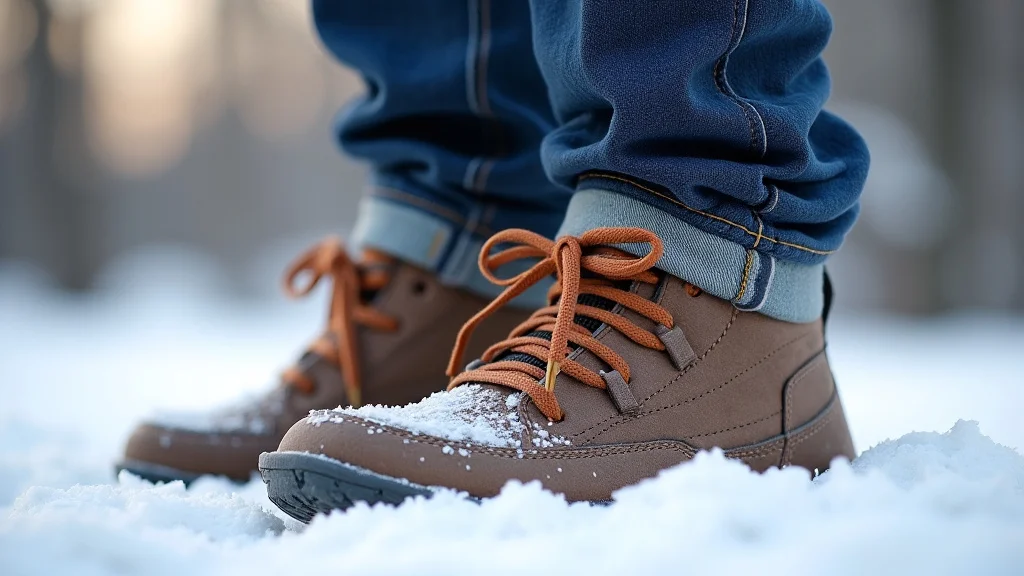
Remember that frantic morning scramble? You’re rushing to get your son ready for school, but he can’t find his boots. Then, you realize they’re too small, not waterproof, or utterly unsuited for the snowy playground. Choosing the right winter shoes for boys is a big deal, and it’s essential for keeping those little (and not-so-little) feet warm, dry, and safe. This guide will walk you through everything you need to know, from materials and features to styles and sizing, helping you make an informed decision and avoid winter weather worries. You’ll gain a deeper appreciation for the technical aspects of winter shoes for boys, ensuring you select the best ones for your child’s needs. This will help you find the best value and protection for your boy.
Key Takeaways
- Learn about the essential features to look for in boys’ winter footwear.
- Discover the best materials for warmth, waterproofing, and durability.
- Get tips on selecting the right size and fit for growing feet.
- Explore different styles, from boots to sneakers, and their specific advantages.
- Understand how to care for and maintain winter shoes for longer use.
- Find out where to shop and get the best deals on boys’ winter shoes.
Essential Features to Consider for Winter Footwear
When selecting winter shoes for boys, several essential features play a pivotal role in ensuring comfort, protection, and functionality. These features go beyond mere aesthetics, contributing significantly to the overall performance of the footwear. Paying attention to these aspects is vital for making an informed choice that caters to the demands of winter weather. From waterproofing capabilities to insulation levels, each element serves a specific purpose in safeguarding your child’s feet.
Waterproof Protection
Waterproof protection is paramount in winter footwear, particularly for environments where snow, slush, and puddles are common. The ability to resist water penetration keeps feet dry and warm, preventing discomfort and reducing the risk of cold-related health issues. This feature is not just a convenience; it is an important element for ensuring the footwear’s utility during winter conditions. Without proper waterproofing, the shoes can become quickly saturated, leading to cold, wet feet and potential health concerns.
-
Waterproof Membranes: Look for shoes with a waterproof membrane, like Gore-Tex, which creates a barrier against external moisture while allowing water vapor from sweat to escape. This feature keeps feet dry while preventing overheating, which is necessary for extended periods of activity.
Gore-Tex is a highly effective waterproof membrane used in many types of footwear, including winter shoes for boys. It is designed to be waterproof while also allowing the feet to breathe. Gore-Tex membranes have millions of tiny pores that are smaller than water droplets but larger than water vapor molecules, making them waterproof but breathable.
-
Sealed Seams: Ensure the shoes have sealed seams, which prevent water from seeping through the stitching. Sealed seams are crucial, as they reinforce the waterproof integrity of the shoes. They prevent water from entering through the small holes created when the shoe is stitched together.
Sealed seams are an important feature in any waterproof shoe. Stitching, which is necessary to assemble the shoe’s components, creates tiny holes. These holes can allow water to seep through, negating the waterproof features of the other materials. By sealing the seams, these small openings are closed off, preventing water from getting inside the shoe.
-
Water-Resistant Coatings: Shoes might feature a water-resistant coating on the exterior material, providing an extra layer of protection. These coatings offer an added safeguard against moisture, especially in light snow or drizzle. However, they don’t provide the same level of protection as a waterproof membrane.
Water-resistant coatings are often applied to the outer fabric of shoes to make them less susceptible to water absorption. These coatings cause water to bead up and roll off the shoe’s surface instead of penetrating the material. This feature is very useful in lighter weather conditions but might not hold up in heavy snow or prolonged exposure to water.
Insulation and Warmth
Insulation is crucial for maintaining warmth in cold temperatures. The type and amount of insulation used in winter shoes for boys determine how well the shoes retain heat and protect against frostbite. Insulation works by trapping air, which acts as a barrier to prevent heat loss from the feet. The materials used and the construction of the insulation are essential factors to consider when choosing winter footwear.
-
Insulation Materials: Commonly used insulation materials include Thinsulate, PrimaLoft, and fleece linings. Each material has unique properties regarding warmth-to-weight ratio, breathability, and water resistance. It’s essential to understand these aspects when selecting the best shoe for your child’s needs.
Thinsulate is a widely recognized insulation material composed of fine fibers that trap air, providing excellent warmth without adding bulk. PrimaLoft is another effective option, known for its high warmth-to-weight ratio and water resistance, making it suitable for active wear. Fleece linings offer a soft and comfortable layer of insulation, ideal for everyday use.
-
Insulation Levels: Different insulation levels are suitable for various temperatures. Shoes with higher insulation values are better for very cold environments. Consider the typical winter temperatures in your area and your child’s activity levels when selecting the appropriate insulation.
Insulation is measured in grams, and the number indicates the thickness and warmth of the insulation. For example, shoes with 200 grams of insulation are suitable for mild winter conditions, while those with 400 or 600 grams are better for very cold temperatures. Consider where your child will use these shoes.
-
Breathability: While insulation is essential, breathability is equally important to prevent moisture buildup from sweat. Moisture can make feet cold. Look for shoes with breathable linings and features that help to wick away moisture from the feet.
Breathability is the ability of the shoe to allow moisture vapor to escape. If the inside of the shoe gets damp from sweat, the shoes become cold more quickly. Breathable linings and materials help regulate the temperature, keeping feet warm without overheating or sweating excessively.
Traction and Grip
Traction and grip are vital for safety on icy or snowy surfaces. Winter shoes need to have sturdy soles with patterns that provide excellent grip, preventing slips and falls. The sole’s design and material play crucial roles in ensuring your child can move confidently and safely during the winter season. The quality of the traction also directly impacts the footwear’s performance and usefulness, so it is an important element to assess.
-
Sole Material: Rubber soles offer excellent grip and durability. The type of rubber used in the sole can affect the shoe’s performance on different surfaces. Look for soles made from a rubber compound that is designed to grip on ice and snow.
Rubber soles are standard in winter footwear due to their superior grip and durability. The rubber compound used can vary, with some being more suited for ice and snow than others. Softer rubbers provide better grip on slippery surfaces. Higher-quality rubber soles will maintain their grip even in freezing temperatures.
-
Tread Pattern: Deep and aggressive tread patterns provide better traction on snow and ice. The pattern should have a good balance of spacing and design to prevent snow buildup and maintain grip. Consider the typical winter conditions where your child will use the shoes when assessing the tread pattern.
The tread pattern refers to the design on the sole of the shoe. A deeper tread pattern, with wider spacing between the lugs, helps prevent snow from sticking to the sole, maintaining the grip. The size and shape of the lugs also affect the grip, with wider lugs being useful for icy surfaces.
-
Ankle Support: Ankle support is essential in boots to help prevent sprains and provide stability on uneven surfaces. It is a protective feature that helps minimize the risk of injury. It also improves comfort by providing support to the ankle joint.
High-top boots offer better ankle support than low-cut shoes. The higher profile helps to stabilize the ankle, which is very helpful in situations with deep snow or uneven terrain. This support can be especially beneficial for younger children.
Materials That Make the Best Winter Shoes for Boys
The materials used in winter shoes for boys significantly impact their performance, durability, and comfort. Understanding the properties of different materials helps make informed choices that fit your child’s needs and the winter conditions they will face. The blend of materials determines the shoe’s ability to protect against moisture, provide warmth, and withstand wear and tear. Therefore, the selection of materials is an important part of choosing winter shoes.
Outer Materials
The outer materials protect the shoe from external elements and contribute to its overall durability. These materials are the first line of defense against water, snow, and the wear and tear of winter activities. The specific qualities of each outer material influence the shoe’s performance, from its resistance to moisture to its ability to withstand abrasion. These materials are also responsible for the shoe’s overall aesthetic.
-
Leather: Leather is a durable and water-resistant material, often used in higher-end boots. It requires proper care and treatment to maintain its water-repellent qualities. Leather provides a classic look and is known for its ability to withstand wear and tear.
Leather is an excellent choice for winter shoes for boys because of its resilience and ability to be treated to be water-resistant. Its durability makes it suitable for rough play and frequent use. Properly cared-for leather shoes can last for several winters.
-
Synthetic Materials: Synthetic materials, such as nylon and polyester, are lightweight, often water-resistant, and less expensive than leather. These materials are easy to clean and often used in various shoe styles. They provide a balance of performance and affordability.
Synthetic materials are favored in winter footwear for their practicality. They are less prone to damage than leather and can be easily cleaned. These materials offer good water resistance. However, they are often less durable than leather, so the materials will have to be replaced more often.
-
Waterproof Textiles: Textiles like nylon and other specially treated fabrics are designed to be waterproof. These materials offer excellent protection against moisture while remaining breathable. They are often combined with waterproof membranes for enhanced performance.
Waterproof textiles are engineered to keep moisture out, making them ideal for winter conditions. These materials often have a water-repellent coating. They are often combined with waterproof membranes, further enhancing their ability to protect the feet from the elements. This combination is a smart way to get the best of both worlds.
Insulation Materials
Insulation materials are essential for retaining heat and providing warmth during cold winter conditions. The selection of insulation affects how well the shoes keep your child’s feet warm, ranging from mild cold to extreme conditions. Understanding the characteristics of each insulation material helps select the proper level of warmth for the intended use and temperature.
-
Fleece: Fleece provides a soft and warm layer of insulation. It is a good choice for lighter winter conditions and offers a comfortable feel against the skin. It is also good at wicking away moisture.
Fleece is a popular lining material due to its softness and insulation properties. It provides a layer of warmth while being breathable. Fleece is great for everyday winter shoes for boys. However, fleece does not provide as much warmth as other insulation types.
-
Thinsulate: Thinsulate is a synthetic fiber that traps air to provide insulation. It is lightweight, warm, and often used in high-performance winter footwear. Thinsulate provides a good balance of warmth and low bulk.
Thinsulate is a popular choice for footwear because it’s very effective at trapping warm air. It provides a great balance of warmth without excessive bulk. Thinsulate is found in various footwear styles. It is well-suited for activities where both warmth and a degree of mobility are necessary.
-
PrimaLoft: PrimaLoft is another synthetic insulation material known for its excellent warmth-to-weight ratio and water resistance. It is often used in high-performance shoes and can provide warmth even when wet. It is very useful in varied winter conditions.
PrimaLoft is a highly efficient insulation material known for its ability to provide warmth even when wet. It’s often used in shoes meant for active pursuits. PrimaLoft is a good choice if your son will be active in snowy weather.
Sole Materials
The sole of a winter shoe is vital for traction, durability, and overall performance. The material used for the sole determines how well the shoe grips on icy or snowy surfaces and how long it will last. The sole should also be designed to provide protection against the cold ground. A good sole provides the basis for safe and enjoyable winter activities.
-
Rubber: Rubber is a standard material for shoe soles due to its excellent grip and durability. Different rubber compounds can be used to improve grip in various weather conditions. Rubber soles are also known for their resistance to wear and tear.
Rubber soles are favored for their great traction on snowy and icy surfaces. The compounds can be designed to provide maximum grip. Rubber is also a durable material. Good rubber soles will maintain their grip, even in freezing temperatures.
-
Thermoplastic Polyurethane (TPU): TPU is a durable and flexible material often used in high-performance shoes. It offers good abrasion resistance and can withstand the cold. TPU is often used in combination with other materials to provide the best balance of properties.
TPU provides great abrasion resistance and flexibility. It is useful in high-performance footwear where flexibility is required without sacrificing durability. TPU’s ability to withstand low temperatures makes it a good choice for winter soles.
-
Ethylene-Vinyl Acetate (EVA): EVA is a lightweight and flexible material that provides cushioning. It is often used in the midsole for shock absorption. EVA is often combined with rubber to balance durability and comfort.
EVA is valued for its cushioning properties, offering comfort and absorbing impact. It is frequently used in the midsole of shoes. EVA can be combined with rubber to achieve the best balance of support, durability, and traction.
Sizing, Fit, and Choosing the Right Style
Selecting the correct size, fit, and style is critical for ensuring your son’s comfort, safety, and enjoyment during winter. A properly sized shoe will provide adequate support, allow for movement, and accommodate thick socks. The style of shoe also plays a significant role, depending on the activities and environments the shoe will be used in. Considering these aspects will allow you to make the right decisions when getting winter shoes for boys.
Sizing and Fit Guide
Getting the right fit is about much more than just the length of the foot. It includes width, arch support, and the space needed for movement and wearing thick socks. Proper sizing prevents discomfort and potential foot problems. It also ensures the shoe’s protective features can work at their peak. It is important to measure your son’s feet and understand the sizing charts before purchasing winter shoes.
-
Measure Your Child’s Feet: Measure your child’s feet at the end of the day, as feet tend to swell slightly. Use a measuring device or have your child stand on a piece of paper to trace their feet. Measure from the heel to the longest toe.
It is important to measure your child’s feet properly to ensure the correct shoe size. Doing this at the end of the day accounts for foot swelling, which can affect the fit of the shoes. Accurate measurements are essential for a comfortable and safe fit.
-
Use a Sizing Chart: Refer to the manufacturer’s sizing chart to determine the correct size. Sizing charts can vary between brands, so always check the specific chart for the shoe you are considering. You can find this chart on the company’s website.
Sizing charts vary from brand to brand, so knowing this can help you. Knowing this helps you find the right size based on your child’s measurements. This is very useful when buying online.
-
Allow for Growth and Socks: Account for growth and the thickness of winter socks. Add about half an inch to the measured length for growing room. Ensure there is enough space in the toe box for movement and comfort.
Giving growing room ensures that the shoes will fit throughout the winter. Allowing extra space for socks will provide more warmth. Testing the fit with the socks your child will wear is always a smart decision.
Different Styles and Their Uses
The type of winter shoes for boys depends on their typical activities and the environments they will be in. Different styles are designed for various purposes. Knowing the strengths of each will allow you to select the best type of shoes. Whether for playing in the snow, everyday wear, or more formal occasions, the correct style affects comfort and the shoes’ ability to perform their job.
-
Boots: Boots are the most common choice for winter. They offer good ankle support and weather protection. They are usually designed for harsh weather, and many feature insulation and waterproofing.
Boots are a solid option for their ability to protect the feet from cold and snow. They are a good choice for outdoor activities. They also come in several designs, allowing you to choose the ones that are best for your son’s needs.
-
Sneakers: Water-resistant or waterproof sneakers can be a good option for milder winters or less extreme activities. They provide flexibility and are typically lighter than boots. The sneakers have the styling of sneakers with features for winter protection.
Sneakers can work well in milder winters. They are generally less bulky. It is best to choose a model with good waterproofing and insulation for cold weather.
-
Hiking Shoes: Hiking shoes are sturdy and offer excellent traction and support. They are suitable for outdoor activities like hiking and playing in the snow. They offer more support and stability than sneakers.
Hiking shoes work very well for outdoor activities. They provide good traction and ankle support. These shoes are very practical for active boys.
Fit Considerations
Getting the fit right is essential for comfort, performance, and foot health. The right fit provides freedom of movement, support, and protection from the elements. A well-fitting shoe will not cause pressure points, blisters, or other discomforts. Checking these elements before purchasing or wearing the shoes is very helpful.
-
Toe Box: Ensure the toe box is roomy enough for the toes to move freely. There should be about half an inch of space between the longest toe and the end of the shoe. This space is known as the “toe box.”
The toe box is the front part of the shoe that houses the toes. Plenty of space in this area is essential for comfort. It also helps prevent blisters and pressure points. Free toe movement also improves the child’s balance.
-
Heel Fit: The heel should fit snugly, without slipping. There should be no excessive movement in the heel area. The heel should be comfortable and provide good support.
A snug heel fit helps prevent blisters and improves support. Excessive heel movement can cause discomfort. Make sure the heel is comfortable and stays in place when your child walks.
-
Arch Support: Consider shoes with good arch support, especially if your child has flat feet or high arches. Proper arch support helps to prevent foot fatigue and pain. Foot problems can be averted with the proper arch support.
Arch support is a key consideration for overall comfort and foot health. Shoes with good arch support can alleviate pain. It can also enhance the child’s balance and alignment. When you’re choosing shoes, especially for prolonged use, check the level of arch support.
Taking Care of Winter Shoes for Boys
Proper care and maintenance ensure that winter shoes for boys last longer and perform effectively. Regular care can help preserve the shoes’ waterproof capabilities, maintain their insulation, and ensure the soles retain their grip. A bit of care will extend the life of the shoes and also prevent any damage from harsh winter conditions. Taking care of your shoes is useful.
Cleaning and Maintenance
Cleaning and maintenance are essential steps for extending the life of winter footwear. Regular cleaning removes dirt, salt, and other materials that can damage the shoes. Following these care steps will prevent premature wear and tear. Maintenance also helps to keep the shoe’s protective features working well.
-
Regular Cleaning: Clean the shoes after each use, especially if they have been exposed to salt, snow, or mud. Use a soft brush or cloth to remove surface dirt. Do not use harsh chemicals.
Cleaning after each use is helpful in preventing materials from damaging the shoes. Salt, snow, and mud can cause wear and tear. Regular cleaning will keep the shoes looking and working well.
-
Drying: Allow wet shoes to dry naturally at room temperature. Avoid placing them near direct heat, which can damage the materials. Remove insoles and laces to allow for better air circulation.
Proper drying is important in preserving the shoes. Direct heat can dry out the materials. This process will make them brittle. The removal of insoles and laces improves air circulation and dries the shoes more effectively.
-
Storage: Store the shoes in a cool, dry place when not in use. Stuff them with newspaper or shoe trees to help maintain their shape. Proper storage helps prevent damage and preserves the shoe’s structural integrity.
Proper storage prevents mold and damage and helps the shoes last longer. Stuffing the shoes helps them keep their form. A cool, dry location will keep the shoes in good shape until the next season.
Protecting the Shoes
Using protective measures can help preserve the shoe’s appearance and functionality and enhance their longevity. Protection against water and wear from everyday use can extend the life of the footwear. Taking precautions will help ensure the shoes are always ready for action in the winter weather.
-
Waterproofing: Use a waterproofing spray to reapply water resistance regularly. This is especially important for leather and suede shoes. Regularly applying these sprays will maintain and enhance their protection.
Waterproofing sprays help to preserve the shoes’ water resistance, especially after cleaning. Applying a spray is an easy way to keep shoes protected from moisture. This will keep the shoes in good shape.
-
Salt Stain Removal: If the shoes get salt stains, clean them promptly. Salt can damage the materials and reduce their lifespan. There are many products designed to remove salt stains.
Salt can cause visible stains. It can also deteriorate the shoe’s materials. Removing these stains promptly is very helpful. Clean the shoes well after exposure to salt for optimal care.
-
Repairing Damage: Repair any damage, such as loose seams or worn soles, as soon as possible. Minor issues can become significant if left unaddressed. Prompt repairs will help to extend the shoes’ life.
Small problems often become big problems if they are left unattended. Repairing small tears quickly will prevent them from worsening. It will also help the shoes last longer and perform well.
Where to Shop and Save on Winter Shoes for Boys
Finding the right shoes involves more than just selecting the right style. It also involves knowing where to shop and get the best deals. Shopping at the right stores and following some money-saving strategies can help you secure high-quality winter shoes for boys without overspending. Exploring these options and strategies will help you select the best shoes.
Recommended Retailers
The right retailer can provide a great selection, knowledgeable staff, and competitive prices. Different retailers cater to various needs and budgets, so it is important to know which stores offer the best options. These stores provide a great place to start your search, whether you’re looking for high-end boots or budget-friendly options.
-
Department Stores: Department stores like Macy’s, Nordstrom, and Kohl’s typically have a broad selection of winter shoes for boys. They offer a range of brands and styles, along with sales and promotions. This makes it easier to compare options.
Department stores provide a one-stop shop for winter shoes. They also often offer sales, discounts, and promotions, making it easy to buy the shoes. The staff are often available to provide service.
-
Specialty Outdoor Stores: Stores like REI, L.L.Bean, and Cabela’s specialize in outdoor gear. They often have high-quality boots and shoes designed for harsh winter conditions. The staff are very knowledgeable.
Specialty stores offer expertise in winter footwear and a focus on quality. You can find well-made boots with advanced features. These retailers can be useful when you need something designed for challenging winter activities.
-
Online Retailers: Online retailers, such as Amazon, Zappos, and the websites of the previously listed stores, offer extensive selections and competitive prices. Shopping online also allows you to compare products and read reviews. It can also save time.
Online retailers offer convenience, a wide selection, and the ability to compare prices and products. Online shopping often has customer reviews. It’s a great option for finding a great deal.
Saving Money on Winter Footwear
Getting the best value on winter shoes for boys includes making smart buying decisions. There are strategies to balance quality, budget, and the needs of your child. Knowing these helpful methods will allow you to make smart choices. It will also help you save money.
-
Shop Seasonal Sales: Look for sales at the end of the winter season to get discounted prices. Stores often clear out winter stock as the weather warms. You might find a great deal for next season.
Buying at the end of the season can save money. Many stores mark down winter footwear to make room for new merchandise. Planning ahead can result in big savings.
-
Compare Prices: Compare prices at multiple retailers before making a purchase. Prices can vary. Comparing prices can also show what different stores offer and what the best value is.
Comparing prices is a smart way to ensure you are getting the best deal. Prices vary from store to store, and it is helpful to look at multiple places. It is useful to compare both the item price and shipping costs.
-
Consider Used or Consignment Options: Check consignment shops or online marketplaces for used winter shoes in good condition. You can often find high-quality shoes at a fraction of the original price. Make sure the condition is acceptable.
Buying used or consignment shoes can be an economical option. It’s a smart choice for items that are used seasonally. This is a smart way to reduce costs, particularly with footwear that your child might outgrow quickly.
Common Myths Debunked
Frequently Asked Questions
Question: What is the best material for keeping feet warm?
Answer: For maximum warmth, look for shoes with Thinsulate or PrimaLoft insulation, which trap air to insulate the feet effectively.
Question: How can I tell if a shoe is waterproof?
Answer: Check for a waterproof membrane like Gore-Tex, sealed seams, and a water-resistant coating on the outer material.
Question: How much extra space should I add for my child’s feet?
Answer: Add about half an inch to the measured length of your child’s foot to allow for growth and thick socks.
Question: Are high-top or low-cut boots better?
Answer: High-top boots generally provide better ankle support and stability, while low-cut shoes offer more flexibility.
Question: How do I remove salt stains from my child’s shoes?
Answer: Use a specialized salt stain remover or a solution of water and vinegar, then wipe the shoes clean and let them dry.
Final Thoughts
Selecting the right winter shoes for boys is about more than just picking a pair of boots off the shelf. It is about understanding the features, materials, and fits that ensure your son’s comfort, safety, and happiness during the cold months. By focusing on waterproofing, insulation, and traction, and by taking the time to measure his feet and find the right fit, you can make an informed choice that will meet his needs and last through the season. Remember to care for the shoes properly. Explore the options at various retailers. You can find the ideal pair to keep his feet warm and ready for any winter adventure. Keep these factors in mind, and you will find your son’s perfect pair.